
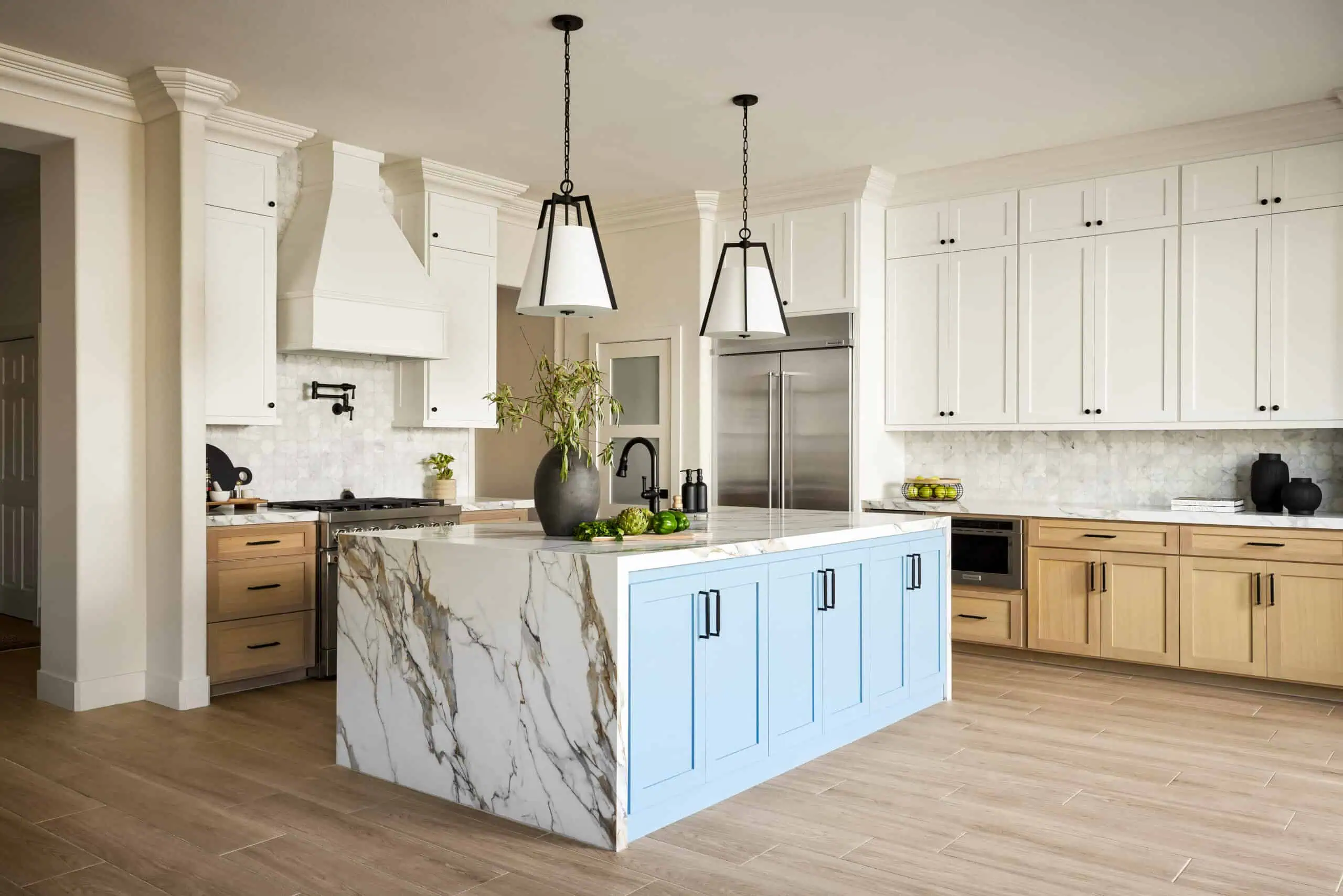
Natural Stone Installation Essentials
Natural stone is the cornerstone for luxurious, high-performance. It lasts a long time and makes an architectural statement. For builders, contractors, and fabricators, the technical realities behind stone performance are essential in delivering projects that clients and customers believe will stand the test of time.
At Zion Stone Gallery, we work hand in hand with professionals to ensure that every slab selected meets the structural, aesthetic, and environmental demands you desire.
Here are some of the key factors that influence natural stone’s durability, best practices for installation, and how partnering with Utah’s #1 stone supplier elevates outcomes.
What Makes Natural Stone Last?
Long-lasting natural stone hinges on mineral composition, density, and formation history. Granite, for example, forms deep within the Earth’s crust under extreme heat and pressure. The result is a tightly interlocked crystalline structure that is widely preferred because it resists scratching, heat, and moisture. Quartzite is a metamorphic rock derived from sandstone. It undergoes a transformation similar to granite and achieves a Mohs hardness of 7 or higher. That means it is highly resistant to wear and etching.
Marble, on the other hand, is softer and more susceptible to damage. Nevertheless, when well-maintained, it still delivers decades of beauty. Its calcite composition means it will etch when exposed to vinegar, citrus, or low pH cleaners.
The key to long-term performance from stone is to match the best choices to the application. High-traffic kitchens demand harder surfaces like granite or quartzite, while in controlled environments where aesthetics outweigh abrasion concerns, marble excels.
Maintenance Differs by Stone Types
Not all stones require the same care. Of course, some require very little, and others might need regular sealing.
Granite: When in high traffic areas, it requires periodic sealing, typically every 1–3 years, to prevent staining. It resists heat, scratches, and most household chemicals.
Quartzite: It is often mistaken for marble but performs more like granite. It is highly resistant to etching and scratching. So, sealing is recommended, though it may be less frequent than marble needs.
Marble: This stone needs regular sealing (annually or biannually). And when it comes to cleaning, only pH-neutral cleaners should be used. Marble is more susceptible to etching and staining than other stones when left unsealed or exposed to acidic substances.
Limestone & Travertine: These are the more porous and softer choices used in modern homes. They are best suited for walls, low-moisture flooring, or exterior cladding. They require more frequent sealing and careful cleaning protocols.
Fabricators should discuss these attributes with customers and clients early in the process so realistic expectations are set and second-guessing and callbacks are minimized.
Best Installation Practices:
Even the highest-quality stone will underperform when installation standards are compromised. To get professional results, the following protocols are non-negotiable:
1. Substrate Preparation
Surface beneath the stones must be flat, stable, and free of debris and deflection. For countertops, plywood underlayment should be capped with cement board or a solid surface to prevent movement. On floors, be sure the subfloor meets deflection standards (L/360 or better) or cracking will result.
2. Proper Adhesives
Use only adhesives rated for specific applications. Epoxy for heavy slabs, modified thin-set for stone tiles, and stone-specific mortars for exterior installations. Avoid premixed mastic on stone. It tends to lack the bonding strength required for long-term performance.
3. Seam Placement and Support
Large slabs might require seams. Plan these seams for low-visibility and low-stress areas. Avoid high-traffic zones or being near cutouts. To make joints less visible, use epoxy in a matching color. Be sure there is adequate support by including plywood cleats or metal brackets.
4. Edge Treatment and Overhang Support
Overhangs that exceed 10” for 3cm and 6” for 2cm should add steel or stone corbels. Laminated edges strengthen areas and allow for custom profiles without compromising integrity.
5. Expansion Joints
In flooring and for exterior applications, include movement joints per ASTM C627 to accommodate thermal expansion and structural shifts.
Avoiding Common Pitfalls
Despite best intentions, even experienced crews fall into traps:
Poor Sealing: Skipping or rushing the sealing process invites openings for stains or moisture penetration. Always clean and dry surfaces thoroughly before applying sealer. Test absorption with a water droplet first.
Inadequate Support: Unsupported overhangs or weak substrates lead to cracks and failures. Verify load distribution and reinforce as needed.
Improper Cutting and Handling: Natural stone can be brittle. Use diamond blades, wet saws, and properly padded and placed lifting equipment to prevent chipping or breakage.
Ignoring Natural Variability: No two slabs are identical. Review the full slab in person before templating to account for fissures, color shifts, or veining that might affect layout.
Mismatched Finish Application: Polished, honed, flamed, and brushed finishes serve different functional roles. A honed finish may be preferred for slip resistance in high-moisture areas, while polished surfaces offer maximum reflectivity in formal spaces.
Trusted Local Supplies Matter
Work with Southern Utah’s #1 stone supplier. Zion Stone Gallery offers much more than unrivalled inventory. We know how to reduce risk in handling and installation, and we have international acumen about emerging trends.
We inspect every slab for structural integrity, consistency, and suitability before it ever reaches our warehouse floor. Our team can provide technical data sheets about absorption rates, compressive strength, and recommended applications, so you can make informed decisions. We also offer slab reservations, just-in-time delivery coordination, and direct support from stone specialists who understand fabrication challenges.
Local sourcing reduces lead times, minimizes damage during transportation, and enables real-time problem solving. When issues arise, whether it’s a last-minute design changes or a slab variable, we respond quickly and keep your project on schedule.
